
 SentaiPROJECT R.E.D.2026 · 34 episodes
Henshin!
AniVortex: Japanese hero shows in English, Super Sentai, Kamen Rider, Ultraman and the Metal Heroes, from Himitsu Sentai Gorenger and Kamen Rider Black to Kamen Rider Den-O and Avataro Sentai Donbrothers, and where to watch them
165 Japanese hero series and films from 1966 to 2026: five-colour teams, masked riders, giants of light, metal heroes and magical heroines.
Kamen Rider Den-OAvataro Sentai DonbrothersKamen Rider BlackUltraman Orb
 Kamen Rider Den-O
New transformations
All 49 ›SentaiPROJECT R.E.D.2026 · 34 episodes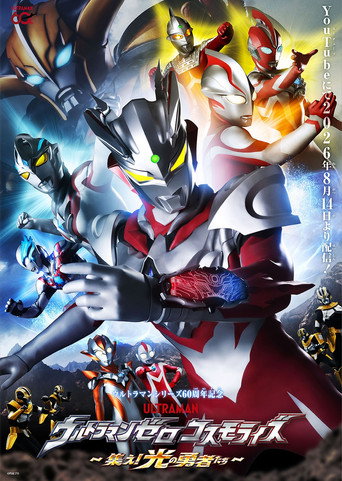 UltraUltraman Zero Cosmo Rise: Rise! Heroes of Light!2026 · 25 min
 SentaiNo. 1 Sentai Gozyuger2025 · 49 episodes
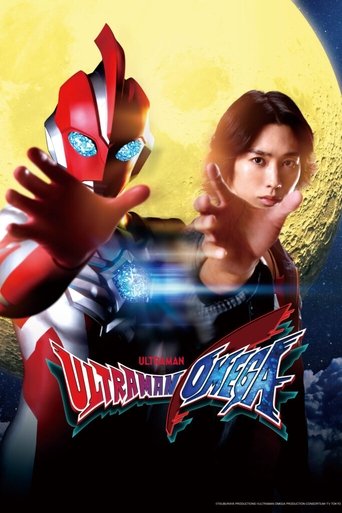 UltraUltraman Omega2025 · 25 episodes
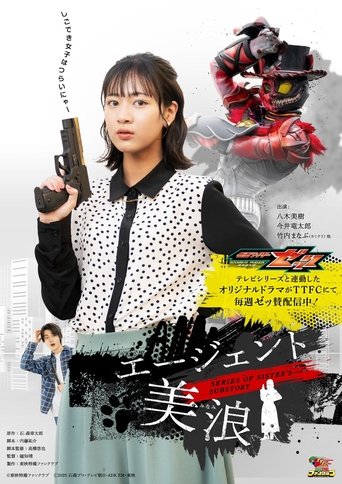 RiderKamen Rider ZEZTZ SERIES OF SISTER'S SUBSTORY: Agent Minami2025 · 50 episodes
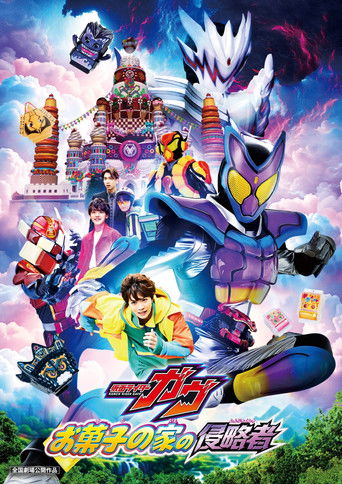 RiderKamen Rider Gavv: Invaders of the Candy House2025 · 59 min
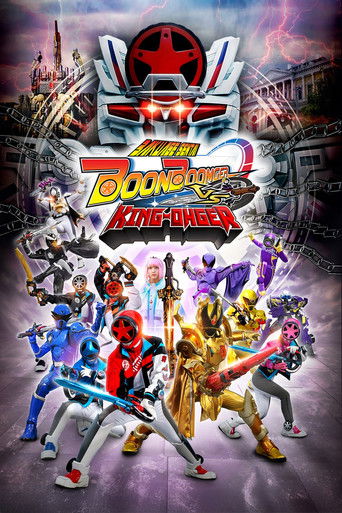 SentaiBakuage Sentai Boonboomger VS King-Ohger2025 · 59 min
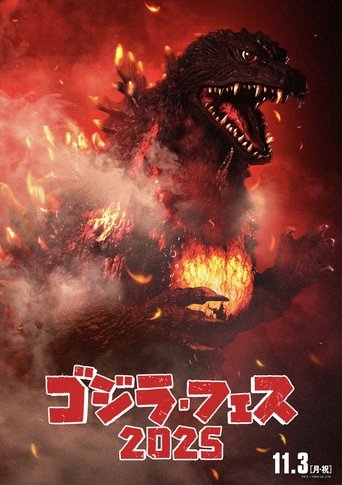 UltraFest Godzilla II: Shinjuku Burning2025 · 8 min
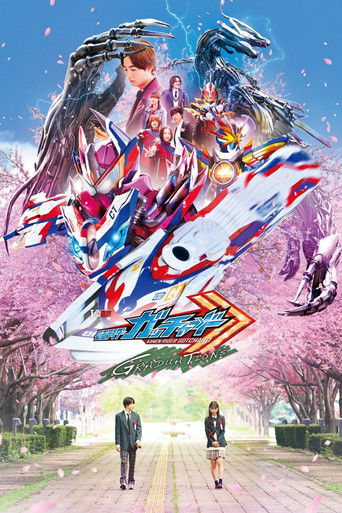 RiderKamen Rider Gotchard GRADUATIONS2025 · 52 min
 SentaiBakuage Sentai Boonboomger formation lap: Settlers of the Galaxy2025 · 25 min
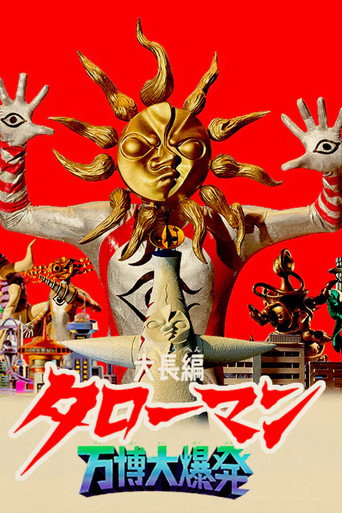 HeroTaroman Expo Explosion2025 · 105 min
 SentaiNo. 1 Sentai Gozyuger Anniversary Discussion2025 · 10 min
Super Sentai
All 58 ›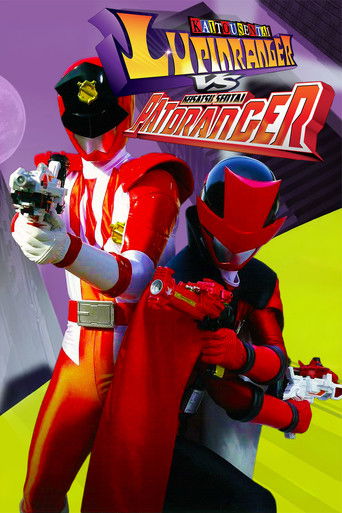 SentaiKaitou Sentai Lupinranger vs. Keisatsu Sentai Patranger2018 · 51 episodes
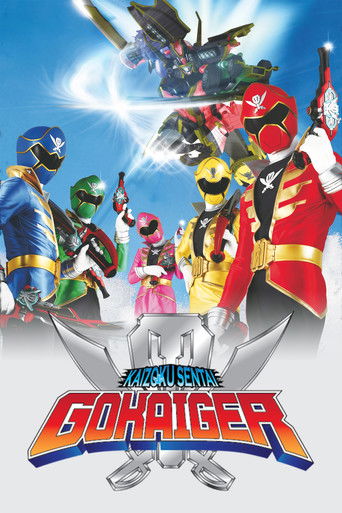 SentaiKaizoku Sentai Gokaiger2011 · 51 episodes
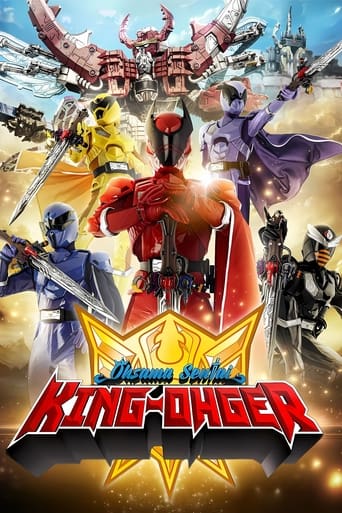 SentaiOhsama Sentai King-Ohger2023 · 54 episodesSentaiPROJECT R.E.D.2026 · 34 episodes
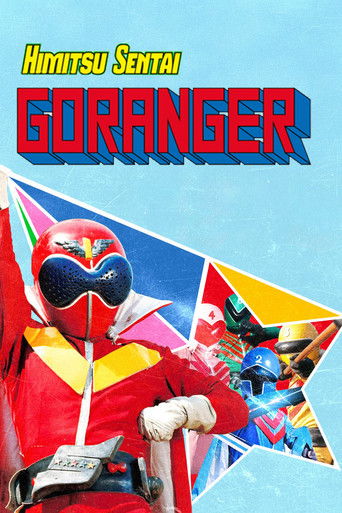 SentaiHimitsu Sentai Gorenger1975 · 84 episodes
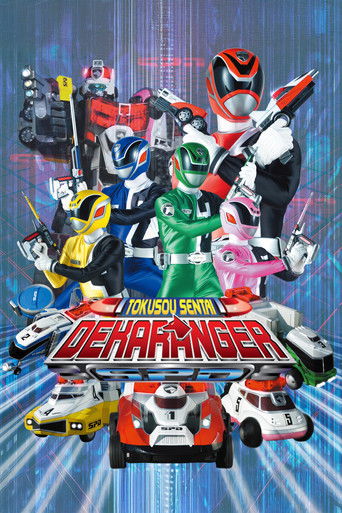 SentaiTokusou Sentai Dekaranger2004 · 50 episodes
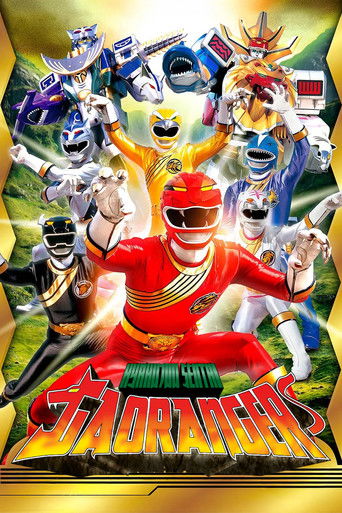 SentaiHyakujuu Sentai Gaoranger2001 · 51 episodes
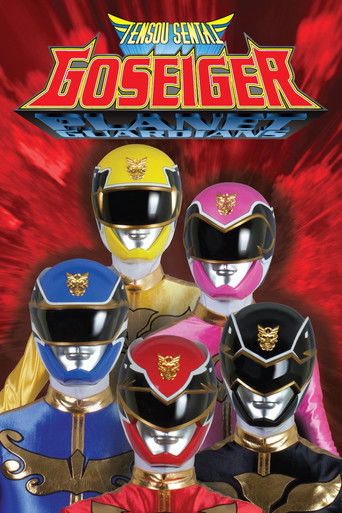 SentaiTensou Sentai Goseiger2010 · 50 episodes
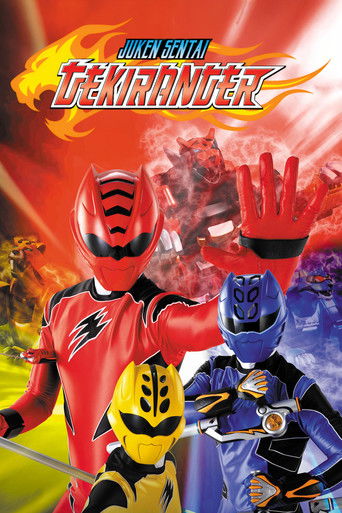 SentaiJuken Sentai Gekiranger2007 · 49 episodes
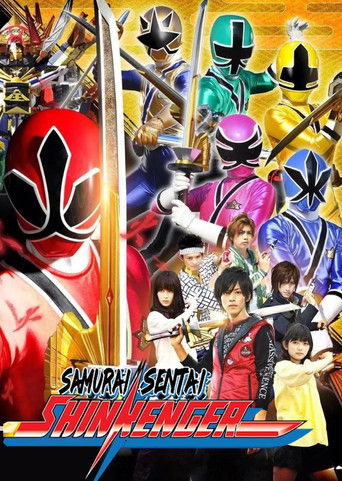 SentaiSamurai Sentai Shinkenger2009 · 49 episodesSentaiNo. 1 Sentai Gozyuger2025 · 49 episodes
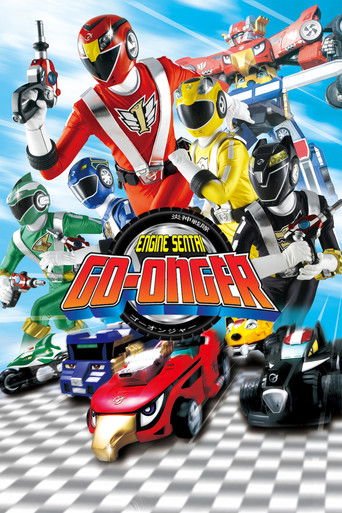 SentaiEngine Sentai Go-Onger2008 · 50 episodes
Kamen Rider
All 49 ›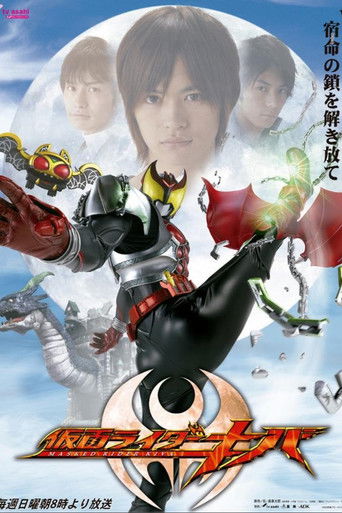 RiderKamen Rider Kiva2008 · 48 episodes
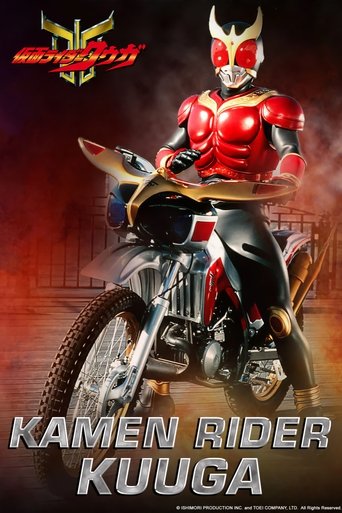 RiderKamen Rider Kuuga2000 · 49 episodes
 RiderKamen Rider Gotchard2023 · 50 episodes
 RiderKamen Rider Gavv2024 · 50 episodes
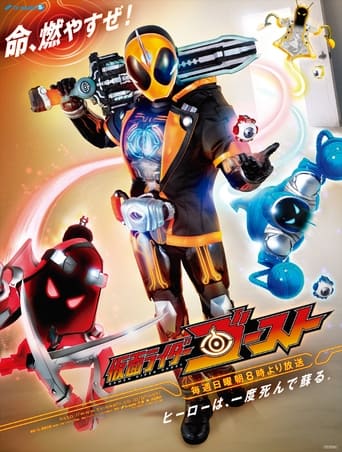 RiderKamen Rider Ghost2015 · 50 episodes
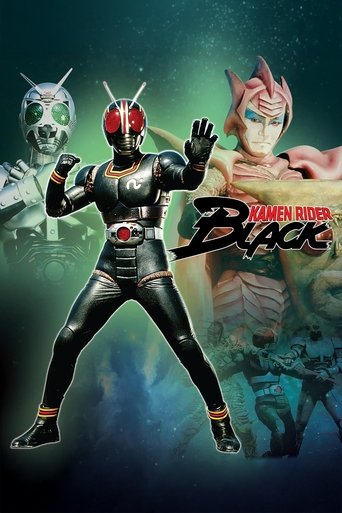 RiderKamen Rider Black1987 · 53 episodes
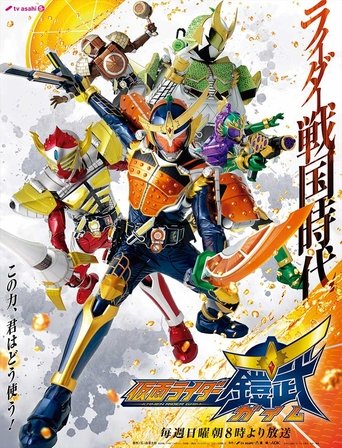 RiderKamen Rider Gaim2013 · 47 episodes
 RiderKamen Rider Revice2021 · 50 episodes
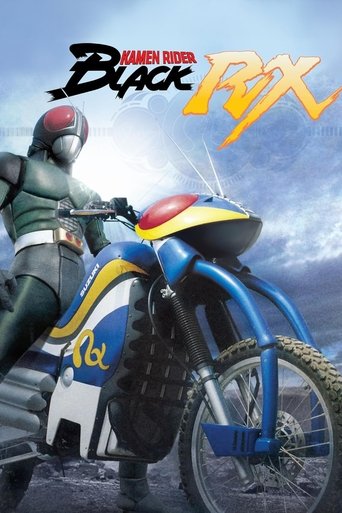 RiderKamen Rider Black RX1988 · 47 episodes
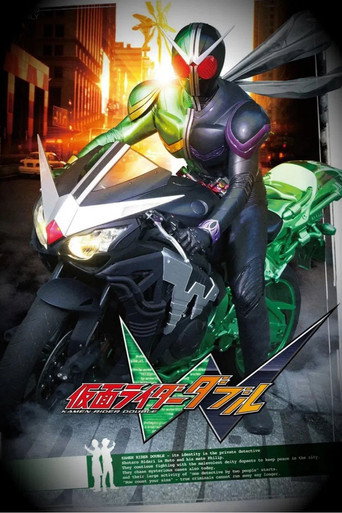 RiderKamen Rider W2009 · 49 episodes
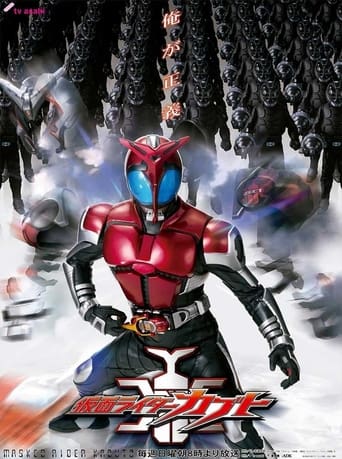 RiderKamen Rider Kabuto2006 · 49 episodes
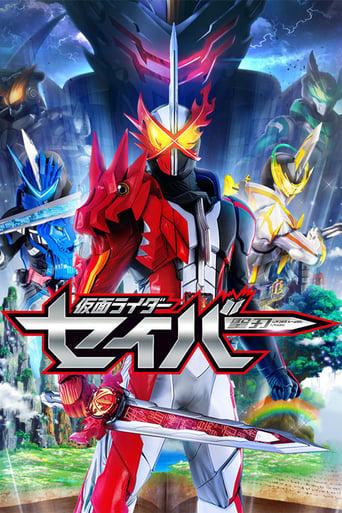 RiderKamen Rider Saber2020 · 48 episodes
Ultraman and kaiju
All 16 ›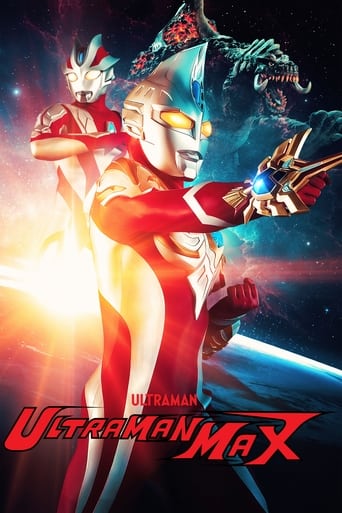 UltraUltraman Max2005 · 40 episodes
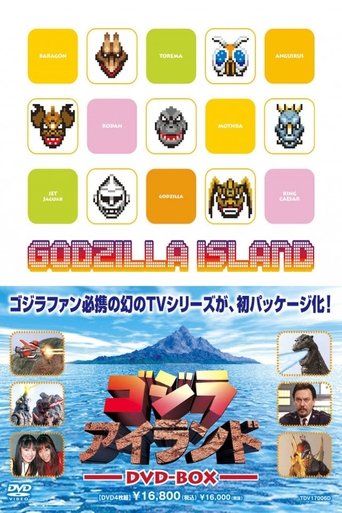 UltraGodzilla Island1997 · 256 episodes
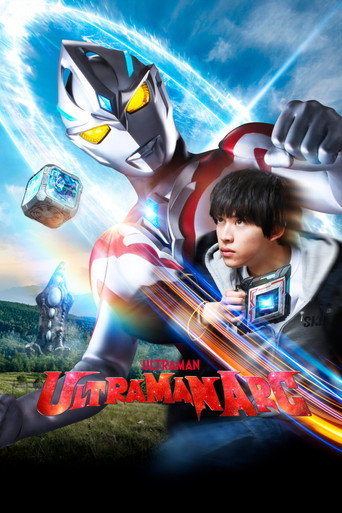 UltraUltraman Arc2024 · 25 episodesUltraUltraman Omega2025 · 25 episodes
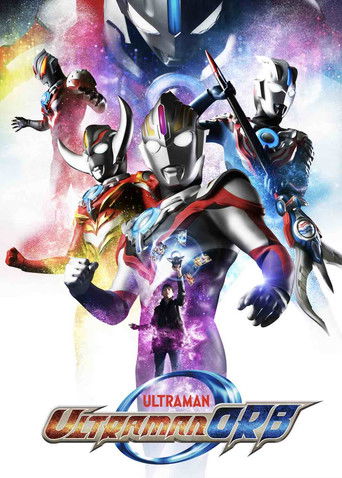 UltraUltraman Orb2016 · 25 episodes
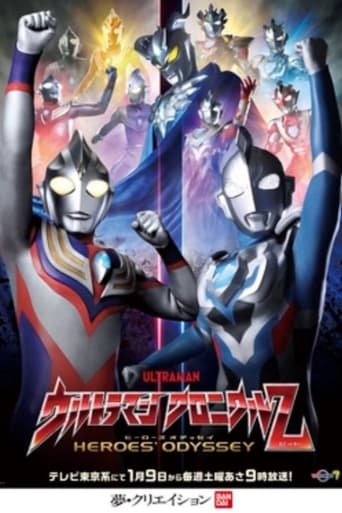 UltraUltraman Chronicle Z: Heroes' Odyssey2021 · 25 episodes
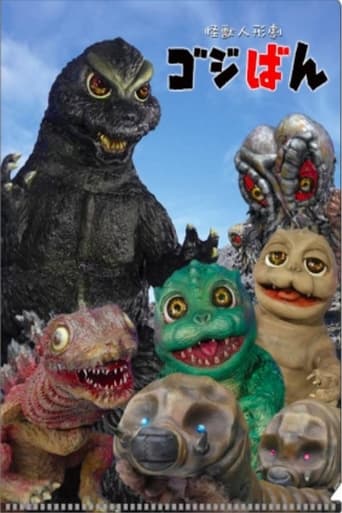 UltraMonster Puppet Show Godziban2021 · 52 episodesUltraFest Godzilla II: Shinjuku Burning2025 · 8 min
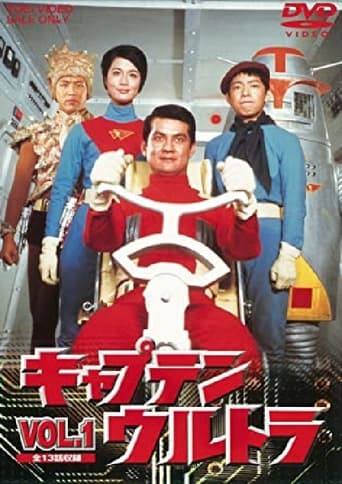 UltraSpace Tokusatsu Series: Captain Ultra1967 · 24 episodes
 UltraGodzilla vs. Megalon2023 · 10 minUltraUltraman Zero Cosmo Rise: Rise! Heroes of Light!2026 · 25 min
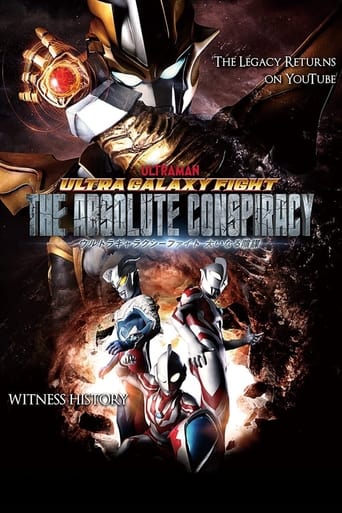 UltraUltra Galaxy Fight: The Absolute Conspiracy2021 · 103 min
Metal Heroes and Showa heroes
All 34 ›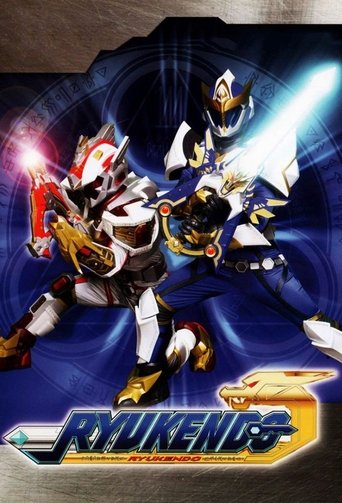 HeroMadan Senki Ryukendo2006 · 52 episodes
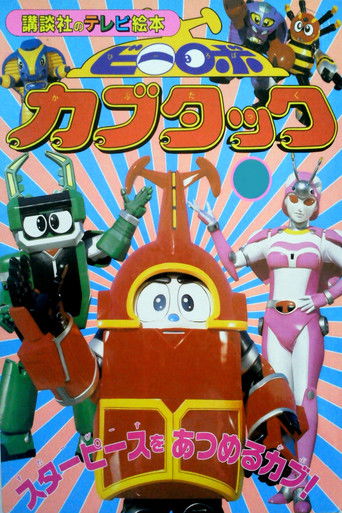 HeroB-Robo Kabutack1997 · 52 episodes
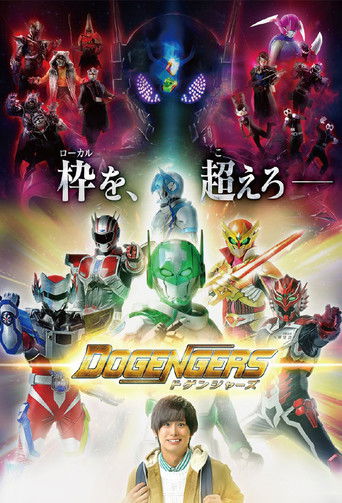 HeroDogengers2020 · 84 episodes
 HeroSpecial Investigation Robo Janperson1993 · 50 episodes
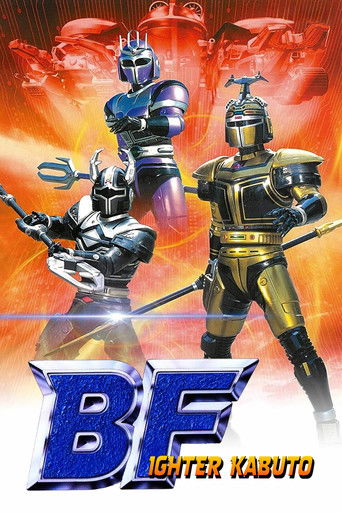 HeroB-Fighter Kabuto1996 · 50 episodes
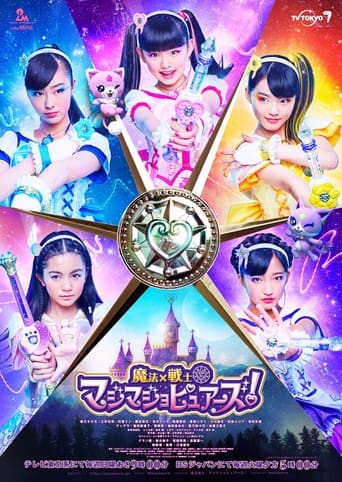 HeroMagic × Warrior MagiMajo Pures!2018 · 51 episodes
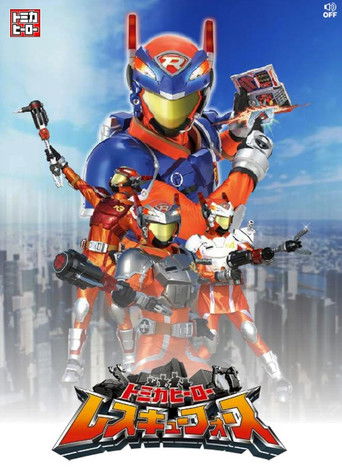 HeroTomica Hero: Rescue Force2008 · 51 episodes
 HeroSuper Android Metalder1987 · 39 episodes
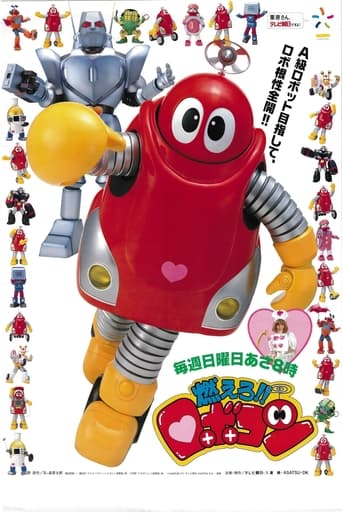 HeroMoero!! Robocon1999 · 51 episodes
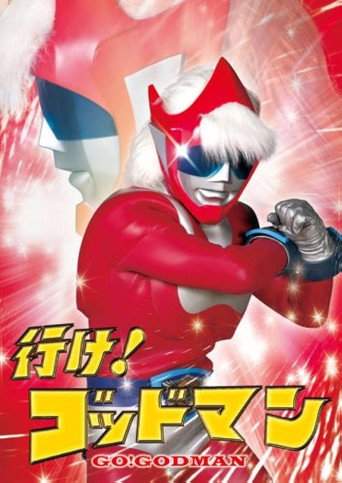 HeroGo! Godman1973 · 157 episodes
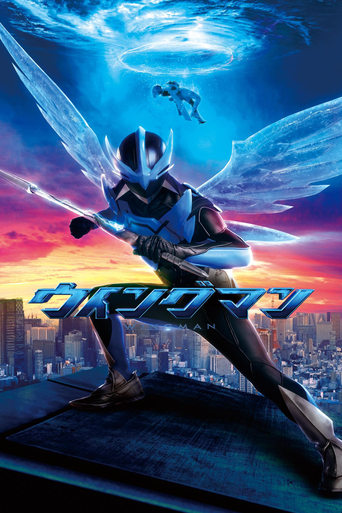 HeroWingman2024 · 10 episodes
 HeroDennou Keisatsu Cybercop1988 · 37 episodes
Heroines and comedies
All 16 ›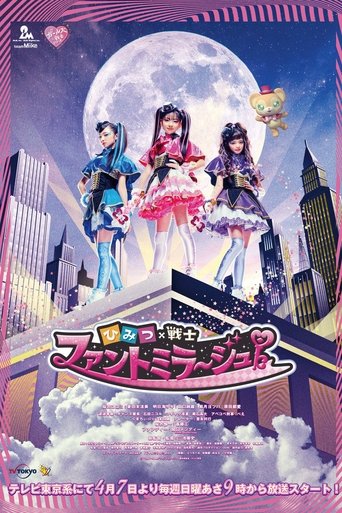 HeroSecret × Warrior Phantomirage!2019 · 64 episodesHeroMagic × Warrior MagiMajo Pures!2018 · 51 episodes
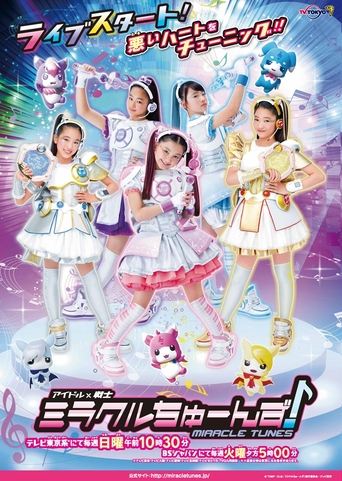 HeroIdol × Warrior Miracle Tunes!2017 · 51 episodes
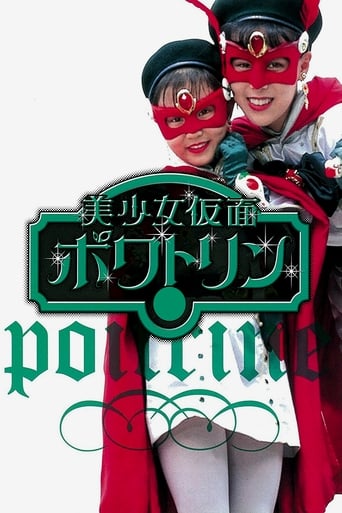 HeroLa Belle Fille Masquée Poitrine1990 · 52 episodes
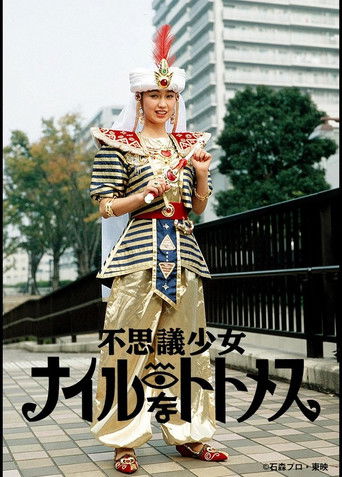 HeroMysterious Nile Girl Thutmose1991 · 52 episodes
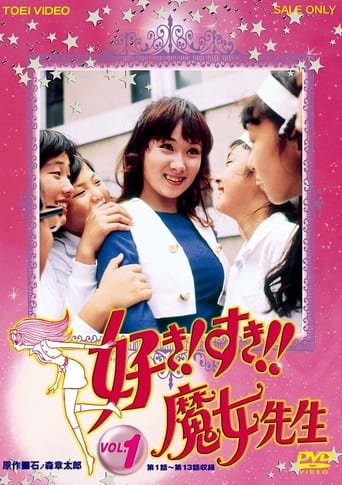 HeroSuki! Suki!! Majo sensei1971 · 26 episodes
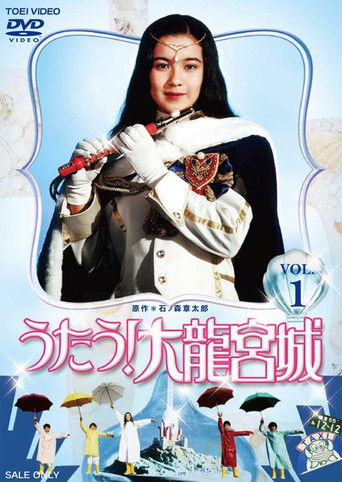 HeroSing! Great Dragon Palace1992 · 51 episodes
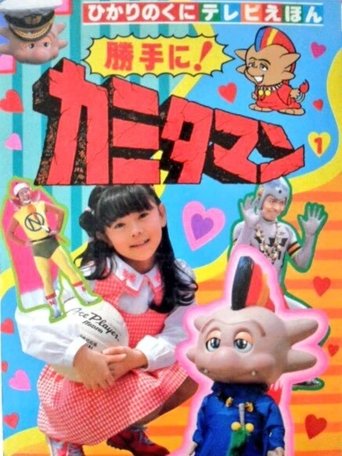 HeroAs You Please! Kamitaman1985 · 51 episodes
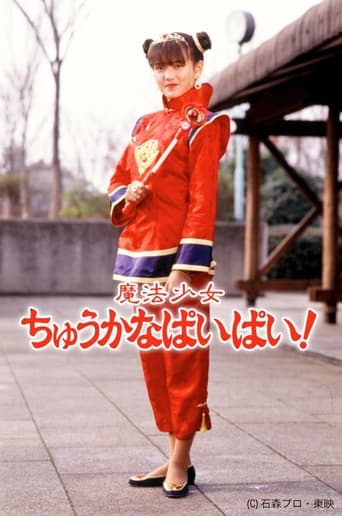 HeroMagical Chinese Girl Pai Pai!1989 · 26 episodes
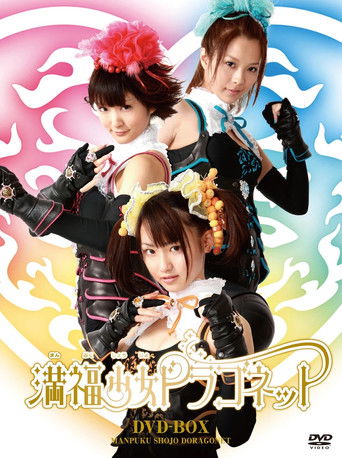 HeroManpuku Shoujo Dragonet2010 · 13 episodes
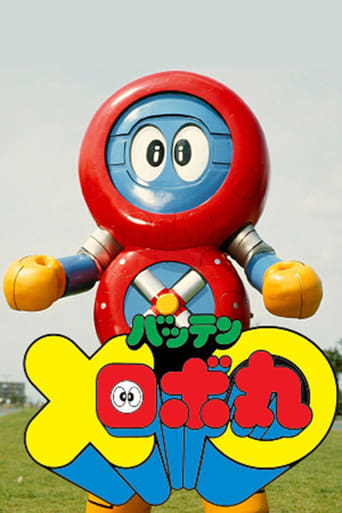 HeroBatten Robomaru1982 · 51 episodes
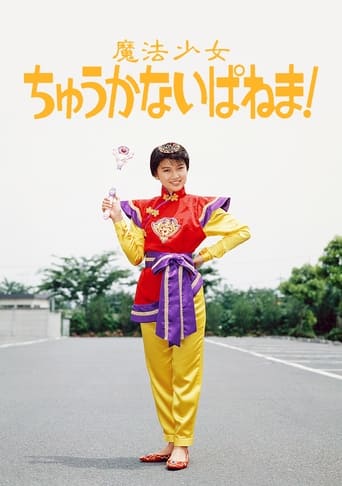 HeroMagical Chinese Girl Ipanema!1989 · 23 episodes
Films and specials
All 32 ›RiderKamen Rider Gavv: Invaders of the Candy House2025 · 59 minSentaiBakuage Sentai Boonboomger VS King-Ohger2025 · 59 min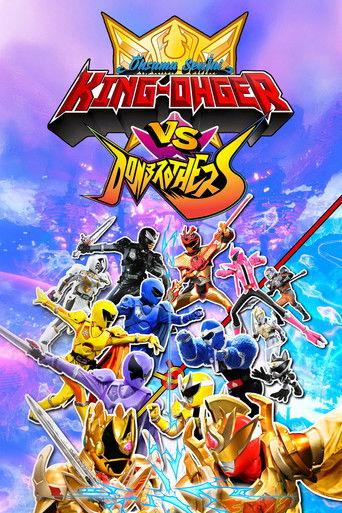 SentaiOhsama Sentai King-Ohger vs. Donbrothers2024 · 26 minUltraFest Godzilla II: Shinjuku Burning2025 · 8 min
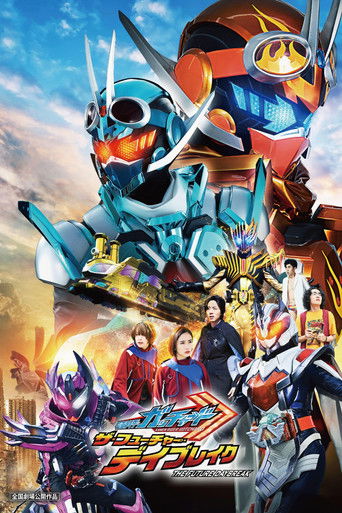 RiderKamen Rider Gotchard: The Future Daybreak2024 · 63 min
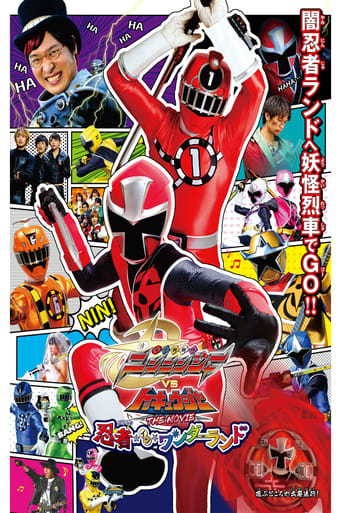 SentaiShuriken Sentai Ninninger vs. ToQger the Movie: Ninjas in Wonderland2016 · 64 min
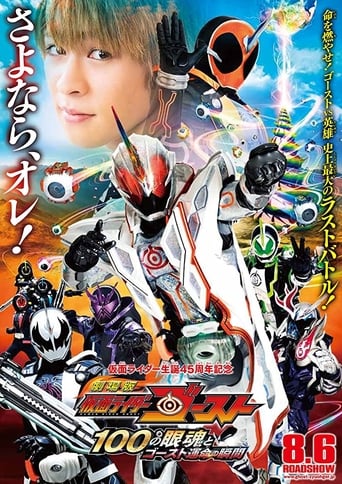 RiderKamen Rider Ghost: The 100 Eyecons and Ghost’s Fateful Moment2016 · 55 minRiderKamen Rider Gotchard GRADUATIONS2025 · 52 minUltraGodzilla vs. Megalon2023 · 10 minSentaiBakuage Sentai Boonboomger formation lap: Settlers of the Galaxy2025 · 25 minUltraUltraman Zero Cosmo Rise: Rise! Heroes of Light!2026 · 25 min
 SentaiNinja Sentai Kakuranger: Act Three - Middle-Aged Struggles2024 · 32 min
Browse
- Series 133
- Films and specials 32
- Super Sentai 58
- Kamen Rider 49
- Ultraman and kaiju 16
- Metal Heroes and Showa heroes 34
- Heroines and comedies 16
- Showa era 44
- Heisei era 77
- Reiwa era 49
- Top rated 52
Help pages
Japanese hero shows: the AniVortex guide
AniVortex: Japanese hero shows in English, Super Sentai, Kamen Rider, Ultraman and the Metal Heroes, from Himitsu Sentai Gorenger and Kamen Rider Black to Kamen Rider Den-O and Avataro Sentai Donbrothers
In Japan, the word tokusatsu means special effects, and it has come to describe one of the most joyful traditions in world television: live-action hero shows full of costumes, transformations, giant robots and miniature cities. Every Sunday morning for more than fifty years, Japanese children have watched a team of five coloured heroes, a masked rider on a motorcycle or a silver giant from the stars protect the world, and these shows have found fans everywhere, from Brazil to the Philippines and from America to India. AniVortex is an English guide to that bright world: 165 Japanese hero series and films, made between 1966 and 2026, 133 series and 32 films, each with its own page, its story in English, its year, its running time or episode count, and a Watch now button that leads to the official services carrying it in your country.
The catalogue has been chosen by hand for families and fans of every age. It gathers the Super Sentai teams, from the very first in 1975 to the newest, the Kamen Riders of the Showa, Heisei and Reiwa eras, Ultraman and the friendly kaiju, the Metal Heroes, the classic heroes of the 1960s and 1970s, the magical heroines and the much-loved Toei Fushigi comedies, together with films, team-ups and specials. The horror-tinged series and the adult spin-offs that some studios have made for older audiences belong to other guides, so every title here is one that a family can share.
The sections below are a lively tour of this world: how the site is laid out, Super Sentai and its link with Power Rangers, Kamen Rider, Ultraman and kaiju, the Metal Heroes and the Showa classics, the heroines and comedies, the films, the three eras and a few plans for every age. Each section links to a short help page, and the How to watch page sums up the simple steps from a title page to the official service.
How AniVortex looks
AniVortex has a design of its own, built around its name. The page is a deep indigo, like the sky over a city at night, and behind the header a soft spiral of light turns from cyan to magenta to amber, the colours of a hero's transformation. The slim header holds the AniVortex logo, three curved lines spinning into a point, followed by the main links for Super Sentai, Kamen Rider, Ultraman and the films, a rounded search field and a bright My List button that glows from magenta to amber. On a phone, the links fold into a menu behind a three-line button.
The home page opens with a wide panel. On the left sit a short amber word, Henshin, the Japanese call to transform, a large heading and a line about the catalogue, with links to the featured series; on the right, a picture from a featured series sits in a frame with one corner cut away at an angle, like a panel from a hero's armour. Below the panel come three large buttons, one for each era of Japanese history in which these shows were made, Showa, Heisei and Reiwa, each with its years, the number of titles it holds and a coloured stripe on the left.
Further down, the shelves follow one after another: the newest transformations, then Super Sentai, Kamen Rider, Ultraman and kaiju, the Metal Heroes and Showa heroes, the heroines and comedies, and the films and specials. Every poster has the same angled corner and a small coloured tag that tells the franchise at a glance: red for Sentai, green for Rider, blue for Ultra and amber for every other hero. Each shelf heading has a short bar that runs through the three colours of the spiral, and an All link on the right opens the full shelf. A Browse panel lists every shelf and help page, and a dark footer closes the page.
The AniVortex name has a long history online, but the archived pages that carry it belong to other kinds of websites, so the layout, the colours and the typeface, Exo 2, were created especially for this site. The posters, stories and credits are new, and every part of the page works with a keyboard, a screen reader and a small phone screen.
Super Sentai
Super Sentai is one of the longest-running series in television history. Almost every year since 1975, Toei has introduced a new team of heroes, usually five, each wearing a different colour, who fight together, pilot giant robots that combine into a single great machine and protect the Earth from a new group of villains. The Super Sentai shelf holds 58 titles, the largest on the site, and the Super Sentai help page offers a short tour.
Himitsu Sentai Gorenger, created by the great manga artist Shotaro Ishinomori and first shown in 1975, set the pattern: five heroes in red, blue, yellow, green and pink, a secret base and a weekly battle against a villainous organisation. It ran for 84 episodes and was followed by J.A.K.Q. Dengekitai in 1977. The series of the early 1980s, Denshi Sentai Denziman and Taiyo Sentai Sun Vulcan, made the giant robots, first seen in 1979, a fixed part of every season, and the late 1980s brought Choushinsei Flashman, Hikari Sentai Maskman and Choujuu Sentai Liveman.
The 1990s and 2000s were a golden age. Chikyuu Sentai Fiveman follows a team of brothers and sisters who are also schoolteachers, and Chōjin Sentai Jetman, from 1991, is admired for its grown-up characters and its romance. Super Sentai Zyuranger, Gosei Sentai Dairanger and Ninja Sentai Kakuranger became famous around the world through Power Rangers, and Gekisou Sentai Carranger is a loving parody of the whole series, full of car jokes. Denji Sentai Megaranger, Seijuu Sentai Gingaman, Kyuukyuu Sentai GoGoFive, Mirai Sentai Timeranger, Hyakujuu Sentai Gaoranger, Ninpuu Sentai Hurricaneger, Bakuryu Sentai Abaranger, Tokusou Sentai Dekaranger and GoGo Sentai Boukenger carried the franchise into a new century.
Many fans name Samurai Sentai Shinkenger, from 2009, as one of the finest seasons: it follows a young samurai lord and his retainers who protect the world with the power of written characters, and its story of duty, friendship and family is beautifully told. Kaizoku Sentai Gokaiger, made for the 35th anniversary in 2011, follows a band of space pirates who can transform into every earlier Sentai team, and it is a joyful celebration of the whole series. Tokusou Sentai Dekaranger mixes police drama with science fiction, and Engine Sentai Go-Onger and Juken Sentai Gekiranger are full of energy and humour.
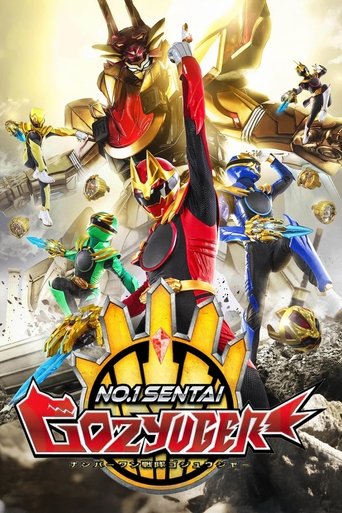
The newest teams are as inventive as ever. Ressha Sentai ToQger turns its heroes into trains, Shuriken Sentai Ninninger into ninja, Uchuu Sentai Kyuranger into a team of nine space heroes and Kishiryu Sentai Ryusoulger into knights with dinosaur partners. Mashin Sentai Kiramager is built around jewels, Kikai Sentai Zenkaiger celebrates the 45th anniversary with a team of four robots and one human, and Avataro Sentai Donbrothers, from 2022, is one of the strangest and funniest seasons ever made, a comedy about five very different people who share a destiny. Ohsama Sentai King-Ohger follows five kings of five kingdoms, and Bakuage Sentai Boonboomger is a high-speed adventure about cars. Hikonin Sentai Akibaranger is an affectionate parody about three fans who become an unofficial team, and Kaitou Sentai Lupinranger vs. Keisatsu Sentai Patranger tells the story of two teams, gentleman thieves and police officers, in a single season.
Super Sentai and Power Rangers
Many viewers around the world first met Super Sentai through Power Rangers, the American series that began in 1993. Its producers took the fight scenes, the costumes and the giant robots from Japanese seasons and combined them with new scenes filmed in California with American actors. The Super Sentai and Power Rangers help page explains how the two fit together.
Super Sentai Zyuranger, from 1992, became the first season of Mighty Morphin Power Rangers, with its dinosaur-themed robots and its five ancient warriors. Gosei Sentai Dairanger and Ninja Sentai Kakuranger supplied material for later seasons, Chouriki Sentai Ohranger became Power Rangers Zeo, Gekisou Sentai Carranger became Turbo, Denji Sentai Megaranger became In Space and Seijuu Sentai Gingaman became Lost Galaxy. Later pairs include Kyuukyuu Sentai GoGoFive and Lightspeed Rescue, Mirai Sentai Timeranger and Time Force, Hyakujuu Sentai Gaoranger and Wild Force, Ninpuu Sentai Hurricaneger and Ninja Storm, Bakuryu Sentai Abaranger and Dino Thunder, Tokusou Sentai Dekaranger and S.P.D., GoGo Sentai Boukenger and Operation Overdrive, Juken Sentai Gekiranger and Jungle Fury, and Samurai Sentai Shinkenger and Power Rangers Samurai.
Watching the Japanese originals is a delight for Power Rangers fans. The stories are often quite different, with their own characters, their own villains and a distinctly Japanese sense of humour and drama, and many viewers are surprised by how moving some of the seasons are. Children who love one version usually love the other.
Kamen Rider
Kamen Rider, created by Shotaro Ishinomori in 1971, follows masked heroes who ride motorcycles and transform with special belts. Unlike the Sentai teams, a Kamen Rider often stands alone, and the series tends to tell more personal stories about heroes who carry great powers with great care. The Kamen Rider shelf holds 49 titles, and the Kamen Rider help page offers a quick tour.
The riders of the Showa era begin with Kamen Rider V3, from 1973, the sequel to the original series, and continue with Kamen Rider Amazon, a wild hero raised in the jungles of South America. Kamen Rider Black, from 1987, is one of the most admired of all, a serious, beautifully made story about two brothers, and Kamen Rider Black RX continues it with a brighter, more adventurous tone. The behind-the-scenes special This is Kamen Rider Black! introduces the series, and the film All Together! Seven Kamen Riders!! brings together the heroes of the 1970s.
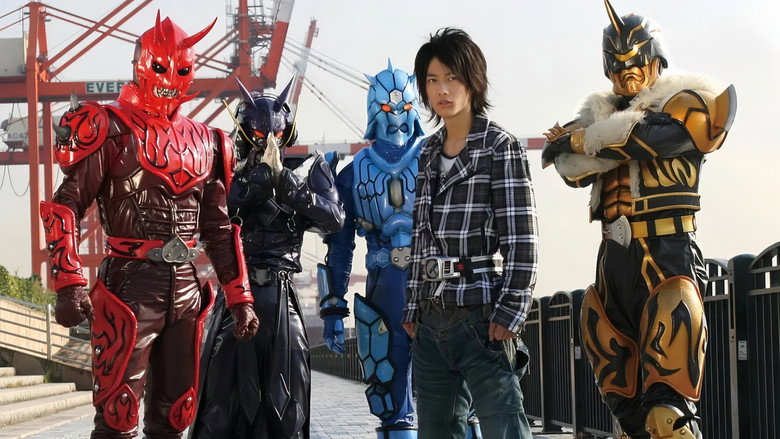
Kamen Rider Kuuga, first shown in 2000, began the Heisei era with a more realistic style and a gentle, cheerful hero. Kamen Rider Ryuki imagines thirteen riders who enter a mirror world, Kamen Rider Blade follows riders who seal ancient creatures in cards, Kamen Rider Hibiki follows a hero who fights with music and drums, and Kamen Rider Kabuto follows a confident young man with incredible speed. Kamen Rider Den-O, from 2007, is one of the most popular of all: its hero, the unlucky Ryotaro, rides the time train DenLiner with a band of cheeky spirits who borrow his body, and the series is full of comedy and warmth. The Kamen Rider Den-O help page has more.
The series of the 2010s are just as varied. Kamen Rider W follows two young detectives who combine into a single hero in the windy city of Fuuto, Kamen Rider OOO follows a wanderer who fights with collectible medals, Kamen Rider Fourze is a high-school adventure with a hero inspired by space travel, and Kamen Rider Wizard and Kamen Rider Gaim use magic rings and fruit-shaped locks. Kamen Rider Drive follows a police officer whose partner is a talking belt, and Kamen Rider Ghost follows a young man who collects the spirits of great figures from history. Masked Rider DCD, known in Japan as Kamen Rider Decade, travels through the worlds of the earlier riders.
The Reiwa riders bring the series up to today. Kamen Rider Saber follows a novelist who fights with a holy sword and books of stories, Kamen Rider Revice follows a young man and the playful devil who lives inside him, Kamen Rider Gotchard follows a student of alchemy who collects card creatures called Chemies, and Kamen Rider Gavv, from 2024, follows a hero who transforms with sweets. The short series, specials and films, from Kamen Rider Gotchard: The Future Daybreak to Kamen Rider Gavv: Invaders of the Candy House, add extra adventures for fans.
A theme for every team
One of the pleasures of Super Sentai is that every season has its own theme, which shapes the costumes, the robots, the villains and the jokes. Choosing a season by its theme is a fun way for children to begin.
Dinosaurs are a favourite. Super Sentai Zyuranger follows five warriors from an ancient civilisation who awaken after millions of years, Bakuryu Sentai Abaranger pairs its heroes with living dinosaur machines, and Kishiryu Sentai Ryusoulger imagines a tribe of knights who have protected the Earth with dinosaur partners since prehistoric times. Ninja are just as popular: Ninja Sentai Kakuranger, Ninpuu Sentai Hurricaneger and Shuriken Sentai Ninninger each give the ninja a playful modern twist.
Vehicles appear again and again. Gekisou Sentai Carranger is all about cars and road safety, Engine Sentai Go-Onger gives its heroes talking car partners, Ressha Sentai ToQger turns its team into train conductors who travel on a rainbow line, and Bakuage Sentai Boonboomger is a race at full speed. Rescue and police teams include Kyuukyuu Sentai GoGoFive, a family of rescue workers, Tokusou Sentai Dekaranger, a squad of space police, and Tokumei Sentai Go-Busters, a team of special agents.
Animals and nature inspire Seijuu Sentai Gingaman, Hyakujuu Sentai Gaoranger and Juken Sentai Gekiranger, whose heroes fight with the spirits of beasts. Space and the heavens inspire Uchuu Sentai Kyuranger and Tensou Sentai Goseiger, whose heroes are angels protecting the Earth. History and legend inspire Samurai Sentai Shinkenger and Kaizoku Sentai Gokaiger, with its pirates. Mirai Sentai Timeranger travels through time, GoGo Sentai Boukenger hunts for treasure, Mashin Sentai Kiramager draws on the power of jewels, and Avataro Sentai Donbrothers borrows from the Japanese folk tale of Momotaro, the boy born from a peach, with a hero who arrived on Earth inside a peach.
Belts, cards and medals
Every Kamen Rider has a transformation device, usually a belt, and each new series invents a new way to transform. These gadgets are part of the fun, and many children own toy versions that light up and play the same sounds as the show.
Kamen Rider Blade transforms with playing cards, Kamen Rider Den-O with a pass that works like a train ticket, Kamen Rider W with small memory sticks called Gaia Memories, and Kamen Rider OOO with three coloured medals that can be mixed and matched. Kamen Rider Fourze uses switches inspired by space travel, Kamen Rider Wizard wears magic rings, Kamen Rider Gaim uses padlocks shaped like fruit, and Kamen Rider Drive wears a talking belt and drives a sports car. Kamen Rider Ghost collects eyeball-shaped items called Eyecons, each holding the spirit of a famous figure from history, and Kamen Rider Saber transforms with books of stories.
The newest riders continue the tradition. Kamen Rider Revice uses stamps, Kamen Rider Gotchard collects cards of alchemical creatures called Chemies, and Kamen Rider Gavv transforms with sweets and snacks. Each device shapes the story, and fans enjoy discovering the new forms that each one unlocks as the year goes on.
Local heroes and new ideas
Beyond the big franchises, Japan has a lively tradition of local heroes, created to promote a town or a region and often played by enthusiastic local performers. Dogengers, from Fukuoka, is a comedy about a team of local heroes, and Kanpai Senshi After V imagines what Sentai heroes do when the battles are over. High-Speed Parahero Gand-D, made for the national broadcaster NHK, follows a high-school student who becomes a hero, and Giga Tokyo Toy Box is a comedy about a young video-game designer.
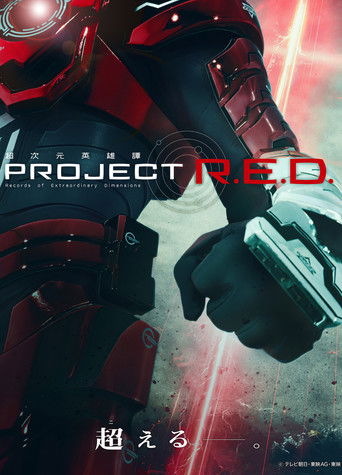
New projects keep the tradition fresh. Wingman brings Masakazu Katsura's 1980s manga to live action, Taroman Expo Explosion is a playful film inspired by the artist Taro Okamoto, and PROJECT R.E.D. opens a new chapter for Toei's five-colour heroes in 2026.
The people inside the suits
Every hero show depends on two kinds of performers. The young lead actors play the heroes in everyday life, at school, at work or at home, while experienced suit actors wear the costumes for the fights, the poses and the explosions. Some suit actors have played heroes for decades and are famous among fans for the way each hero moves, stands and fights.
Many well-known Japanese actors began their careers in these series, and fans enjoy spotting the stars of today in their first roles. The villains matter too: Sentai and Kamen Rider villains are often played by experienced actors and voiced by famous voice performers, and their costumes are some of the most imaginative designs in television.
Ultraman and kaiju
Ultraman, created by Eiji Tsuburaya, the special-effects master behind the original Godzilla films, first appeared in 1966. He is a giant of light from the Land of Light in Nebula M78, who joins with a human hero to protect the Earth from monsters and aliens, and he can stay on Earth for only three minutes at a time before the light on his chest begins to flash. The Ultraman and kaiju shelf holds 16 titles, and the Ultraman and kaiju help page offers a short tour.
The Birth of Ultraman is a record of the hero's very first appearance, a stage show broadcast just before the series began in 1966, and Ultraman: Terror on Route 87 and Return of Ultraman: Jiro Rides a Monster are cinema releases of favourite episodes from the early series. Ultra Fight, from 1970, is a set of very short battles between Ultra heroes and monsters, made for young viewers.
The modern Ultra series are bright and full of imagination. Ultraman Max, from 2005, is a lighthearted series that brings back many classic monsters, Ultraman Orb, from 2016, follows a wandering hero who borrows the powers of earlier Ultras, and Ultraman Arc and Ultraman Omega, from 2024 and 2025, are the newest series. Ultraman Chronicle Z: Heroes' Odyssey retells the adventures of Ultraman Z, Ultra Galaxy Fight: The Absolute Conspiracy brings together dozens of Ultra heroes in a cosmic adventure, and Ultraman Zero Cosmo Rise: Rise! Heroes of Light! introduces a new form for the popular Ultraman Zero.
The friendly side of the kaiju, the giant monsters of Japanese cinema, appears in two delightful series for children. Godzilla Island, from 1997, tells stories with toy figures of Godzilla and his friends on an island where monsters live, and Monster Puppet Show Godziban is a puppet comedy about Godzilla and his brothers. The short films Godzilla vs. Megalon and Fest Godzilla II: Shinjuku Burning were made for special events and screenings.
Metal Heroes and Showa classics
Between the Sentai teams and the Kamen Riders, Toei made a third great series of heroes, the Metal Heroes, which ran from 1982 to 1999 and featured gleaming armoured heroes, robot detectives and insect warriors. The Metal Heroes and Showa heroes shelf holds 34 titles, and the Metal Heroes help page picks out the highlights.
Super Android Metalder, from 1987, follows an android who learns what it means to be human, Special Investigation Robo Janperson follows a robot detective with a strong sense of justice, and B-Fighter Kabuto follows young heroes who receive armour based on beetles to protect the Earth. B-Robo Kabutack, from 1997, turns the series into a comedy about a group of small robots who compete in a treasure hunt, and Moero!! Robocon is a cheerful remake of a 1970s favourite about a clumsy little robot.
Other studios made their own heroes. Dennou Keisatsu Cybercop, from Toho in 1988, follows a team of armoured police officers in the near future, Madan Senki Ryukendo follows a young hero who protects a peaceful town with a magical sword, and Tomica Hero: Rescue Force follows a team of rescue workers inspired by the famous toy cars. Wingman, from 2024, adapts Masakazu Katsura's manga about a boy who draws his own hero, and Dogengers is a local-hero comedy from Fukuoka.
The classics of the Showa era have a special charm. Giant Robo, from 1967, follows a boy and the enormous robot who obeys his voice, a story that inspired many later robot shows. Space Tokusatsu Series: Captain Ultra, from the same year, is a colourful space adventure. Warrior of Love Rainbowman, from 1972, follows a young Japanese man who trains with a wise hermit in India before returning home as a hero with seven forms, and the Hero shows and India help page tells more of the story. Thunder Mask, Iron Man Tiger Seven, Diamond Eye: Warrior Of Light, Super Robot Red Baron, Electroid Zaborger 7, Flying Saucer War Bankid, The Kagestar and Battle Hawk complete a treasure chest of 1970s heroes, and Go! Godman and Kure Kure Takora were made in tiny episodes of a few minutes each. The Showa heroes help page offers a short guide.
The 1970s boom
The early 1970s were a period of extraordinary energy for Japanese hero shows. After the success of Ultraman and the first Kamen Rider, dozens of studios created their own masked heroes, and for a few years almost every evening and weekend brought a new champion to Japanese television. Fans call this period the henshin boom, after the Japanese word for transformation, and many of its heroes are on AniVortex.
Kamen Rider V3, from 1973, follows Shiro Kazami, a young man rebuilt as a hero by the first two Kamen Riders after his family is attacked by the villains of Destron, and it is one of the most popular Showa Rider series. Kamen Rider Amazon, from 1974, is a striking change of style, with a hero who grew up in the jungles of South America and fights with the instincts of a wild animal. Warrior of Love Rainbowman and Diamond Eye: Warrior Of Light were created by the writer Kohan Kawauchi, who also created the earlier hero Moonlight Mask, and Thunder Mask and Iron Man Tiger Seven follow heroes who fight monsters from space and from the distant past.
Robots were everywhere. Super Robot Red Baron follows a giant red robot piloted by a young hero, Electroid Zaborger 7 follows a robot that can transform into a motorcycle, and Flying Saucer War Bankid follows a family of heroes who defend the Earth from invaders. The comic side of the boom produced Kure Kure Takora, a series of very short comedies about an octopus who wants everything he sees, and Go! Godman, whose giant hero appears in episodes of just a few minutes.
These series were often made quickly and with small budgets, but their creativity, their colourful costumes and their memorable theme songs have kept them popular for half a century. Watching them today is a wonderful way to see where the modern heroes came from.
A short history of kaiju
The word kaiju means strange beast, and it describes the giant monsters of Japanese film and television. The tradition began with the first Godzilla film in 1954, whose special effects were created by Eiji Tsuburaya, and it grew through the 1960s with Ultraman and the many monster series that followed.
Over the years, the monsters became friendlier. By the 1970s, Godzilla had become a hero who protected children, and the monsters of the Ultra series became favourite toys. Godzilla Island, from 1997, and Monster Puppet Show Godziban, from 2021, show this gentle side of the kaiju, with Godzilla and his friends as playful characters. The Ultra series continues to invent new monsters every year, many of them designed with great imagination, and children love to collect the figures and learn their names.
For families, the kaiju of AniVortex are an ideal introduction to Japanese special effects: the battles are big and exciting, the monsters are colourful and the heroes always find a way to restore peace. The short films Godzilla vs. Megalon and Fest Godzilla II: Shinjuku Burning are quick treats for young monster fans.
Heroines and comedies
Japanese hero shows are about much more than fights and robots, and some of the most charming series are comedies and stories about young heroines. The Heroines and comedies shelf holds 16 titles, and the Heroines help page offers a short tour.
The Toei Fushigi Comedy Series, created with Shotaro Ishinomori, ran on Sunday mornings from 1981 to 1993 and mixed slapstick, fantasy and gentle family stories. Robot 8-chan, the first entry, follows a small robot who becomes part of a family, and Batten Robomaru follows another robot with a big heart and a talent for trouble. Pettonton, Dokincho! Nemurin, about a tiny doll who comes to life, and As You Please! Kamitaman continue the series, and German Detective Team Maringumi is a lively mystery comedy. The Toei Fushigi comedies help page lists them all.
The later Fushigi series turned to magical heroines. Magical Chinese Girl Pai Pai! and Magical Chinese Girl Ipanema! follow girls with magical powers from China, La Belle Fille Masquée Poitrine follows a schoolgirl who becomes a masked heroine after an accident at a shrine, Mysterious Nile Girl Thutmose brings an Egyptian princess into modern Japan, and Sing! Great Dragon Palace closed the series in 1992. Suki! Suki!! Majo sensei, from 1971, is an even earlier heroine show about a primary-school teacher with secret powers.
The heroines of today come from the Girls × Heroes series made by OLM. Idol × Warrior Miracle Tunes! follows three schoolgirls who use the power of music to transform and protect the Music Kingdom's treasures, Magic × Warrior MagiMajo Pures! follows girls who become magical warriors, and Secret × Warrior Phantomirage! follows three middle-school students who become phantom thieves of hearts. These series combine songs, dances and transformations, and they are hugely popular with young girls in Japan.
Films and specials
Every year, the Sentai and Kamen Rider casts appear in films, team-ups and short specials, and the Films and specials shelf holds 32 of them. The Films and specials help page has more.
The team-up films are a favourite tradition. Ohsama Sentai King-Ohger vs. Donbrothers brings the kings and the Donbrothers together, Bakuage Sentai Boonboomger VS King-Ohger follows with another meeting, and Shuriken Sentai Ninninger vs. ToQger the Movie: Ninjas in Wonderland and Tokumei Sentai Go-Busters vs. Beet Buster vs. J are full of crossovers. Ninpuu Sentai Hurricaneger with Donbrothers reunites a much-loved team twenty years later, and Ninja Sentai Kakuranger: Act Three - Middle-Aged Struggles brings back the Kakurangers thirty years after their adventures.
The Kamen Rider films include Kamen Rider Gotchard: The Future Daybreak, Kamen Rider Gotchard GRADUATIONS, Kamen Rider Gavv: Invaders of the Candy House and Kamen Rider Ghost: The 100 Eyecons and Ghost’s Fateful Moment, and the specials Kamen Rider Geats: Check it?! An All-Boy Desire Grand Prix! I'll Be the King! and Kamen Rider Gotchard: What's That?! Houtaro and Rinne Switched Places!! are short comedies. Classic films such as All Together! Seven Kamen Riders!!, Kikaider 01: The Movie and Choushinsei Flashman: Big Rally! Titan Boy! show the style of the 1970s and 1980s, and Taroman Expo Explosion is a playful 2025 film inspired by the artist Taro Okamoto and the Osaka Expo.
Showa, Heisei and Reiwa
Japanese fans divide their hero shows by the eras of the Japanese calendar, which follow the reigns of the emperors: Showa until 1989, Heisei from 1989 to 2019 and Reiwa since 2019. Each era has its own style, and AniVortex has a shelf for each. The Showa, Heisei and Reiwa help page explains the difference.
The Showa era shelf holds 44 titles from 1966 to 1989. These are the classics, filmed on location in quarries and forests, with handmade costumes, miniature cities and stirring theme songs. They include the first Ultraman specials, Giant Robo, Warrior of Love Rainbowman, Himitsu Sentai Gorenger, Kamen Rider V3, Kamen Rider Black and the first Toei Fushigi comedies.
The Heisei era shelf holds 77 titles from 1989 to 2019. The Heisei shows brought longer, more ambitious stories, computer effects and a new generation of young actors, many of whom went on to become famous in Japanese film and television. Highlights include Chōjin Sentai Jetman, Kamen Rider Kuuga, Kamen Rider Den-O, Samurai Sentai Shinkenger, Kaizoku Sentai Gokaiger, Kamen Rider W, Ultraman Max and Ultraman Orb.
The Reiwa era shelf holds 49 titles from 2019 to today, from Kishiryu Sentai Ryusoulger and Mashin Sentai Kiramager to Avataro Sentai Donbrothers, Kamen Rider Gotchard, Kamen Rider Gavv, Ultraman Arc and PROJECT R.E.D., which carries the franchise into 2026. The Top rated shelf collects the titles that viewers rate most highly.
How a hero show is made
Part of the magic of tokusatsu is the craft behind it. Each series is filmed over a whole year, with a new episode every week, by teams of actors, suit performers, stunt coordinators and special-effects artists. The heroes' fights are performed by skilled suit actors, often trained in martial arts and acrobatics, while the young leads play the heroes out of costume. Many famous Japanese actors began their careers in a Sentai or Kamen Rider series.
The giant battles are filmed with miniature buildings, built in great detail so that they can be destroyed in spectacular style, and with actors inside monster suits. Over the years, computer effects have joined the miniatures, but the handmade spirit of the series remains. The toys are also part of the story: each new season introduces new transformation devices, weapons and robots, and children love to play along at home.
The music matters too. Each series has an opening theme and an ending song, often sung by famous performers, and many fans can sing the themes of their favourite seasons by heart. The theme songs of Himitsu Sentai Gorenger, Kamen Rider Black and Kamen Rider Den-O are among the best known in Japan.
Picks by age
Tokusatsu is made first of all for children, but many series reward older viewers too. The Picks by age help page sums up a few choices.
For children up to seven, the gentlest shows are best. B-Robo Kabutack, Moero!! Robocon, Monster Puppet Show Godziban and Godzilla Island are funny and kind, and the Toei Fushigi comedies such as Robot 8-chan are full of slapstick. Ultra Fight and Go! Godman have very short episodes that suit small children.
From eight to eleven, the classic seasons shine. Kaizoku Sentai Gokaiger, Engine Sentai Go-Onger, Ultraman Orb, Kamen Rider Fourze and Kamen Rider OOO are lively, colourful and exciting, and Idol × Warrior Miracle Tunes! and Secret × Warrior Phantomirage! are favourites with girls of this age.
From twelve up, the richer stories come into their own. Kamen Rider Kuuga, Kamen Rider Black, Chōjin Sentai Jetman, Samurai Sentai Shinkenger and Kamen Rider W have deeper characters and story arcs that build across a whole year. Grown-up fans who loved these shows as children often say that they enjoy them even more today.
A perfect first week
If your family is new to Japanese hero shows, here is a simple plan for a first week. On Monday, board the time train with Kamen Rider Den-O. On Tuesday, meet the five pirates of Kaizoku Sentai Gokaiger. On Wednesday, watch a giant of light in Ultraman Orb. On Thursday, laugh with the strange heroes of Avataro Sentai Donbrothers. On Friday, travel back to 1975 with the first episodes of Himitsu Sentai Gorenger. At the weekend, share a team-up film such as Ohsama Sentai King-Ohger vs. Donbrothers and begin Kamen Rider Black with the older children.
A second week could follow an era: the Showa classics on Monday and Tuesday with Giant Robo and Warrior of Love Rainbowman, the Heisei favourites on Wednesday and Thursday with Kamen Rider Kuuga and Samurai Sentai Shinkenger, and the Reiwa heroes at the weekend with Kamen Rider Gotchard and Ultraman Arc.
Hero shows and India
Japanese hero shows have a special link with India. In Warrior of Love Rainbowman, from 1972, the young hero Takeshi Yamato travels to India and trains in the mountains with a wise hermit, learning the seven transformations that he later uses to protect Japan. For many Indian viewers who discover the series, this opening is a delightful surprise.
Indian children also grew up with Power Rangers, which was dubbed into Hindi and shown on children's channels for many years, and with the Japanese robot and hero shows that reached Indian television in the 1990s and 2000s. Today, many fans in India look for the Japanese originals of the shows they loved. The Hero shows and India help page explains how to find them, and the Watch now button on every title page lists the services that carry each title, with their own language tracks and subtitles.
Watching in order
Each season of Super Sentai and Kamen Rider tells a complete story, so viewers can start with any of them. Some fans, however, enjoy watching the seasons in the order they were broadcast, which shows how the series grew and changed over the decades and makes the anniversary seasons even more rewarding.
For Super Sentai, a good route begins with Himitsu Sentai Gorenger and J.A.K.Q. Dengekitai, jumps to the robots of Denshi Sentai Denziman and Taiyo Sentai Sun Vulcan, and continues through the 1980s and 1990s before arriving at Kaizoku Sentai Gokaiger, whose pirates borrow the powers of every earlier team. Fans who have seen the earlier seasons recognise the many guest heroes who appear in Gokaiger, and the series becomes a joyful reunion.
For Kamen Rider, a route might begin with Kamen Rider V3 and Kamen Rider Black, continue with Kamen Rider Kuuga and the Heisei series, and end with the Reiwa riders. Masked Rider DCD, the anniversary series of 2009, visits the worlds of the earlier Heisei riders, so it is best watched after a few of them. The specials and team-up films fit neatly between the seasons, and many fans watch them just after the series they belong to.
For Ultraman, the order matters less, because most Ultra series begin a fresh story with a new hero. A good start is Ultraman Max or Ultraman Orb, followed by the newest series, Ultraman Arc and Ultraman Omega, with the early specials such as The Birth of Ultraman saved for fans who want to see how the legend began. Whatever route you choose, My List makes it easy to keep track of where you are and which season comes next, and the help pages suggest a few favourite paths through each franchise.
Finding a title
AniVortex offers several ways to find a title. The search field in the header finds titles as you type, by English or Japanese name; the menu opens the main shelves; and the A to Z list shows every title in alphabetical order. The Finding a title help page has more tips.
Many series have both a Japanese and an English name, and some appear under unusual English names on TMDB: Kamen Rider Decade, for example, appears here as Masked Rider DCD. Typing the hero's name, such as Den-O, Kuuga or Zyuranger, is usually the quickest way to the right page. The home page Browse panel lists every shelf with the number of titles it holds, from the 165 titles of All titles to the smaller franchise shelves.
My List
My List keeps the titles you want to watch. Add a series or film from its page, and it appears in the list that opens from the My List button in the header. The list lives in this browser, so it opens instantly, and it can be exported to a small file and imported on another device, such as the family television. The My List help page explains each step.
Many fans keep a list for each franchise and watch the seasons in order of broadcast, one episode a day, which is how Japanese children watch them each Sunday morning. Others build lists by theme: ninja seasons, dinosaur seasons, space seasons or vehicle seasons.
Why hero shows matter
Japanese hero shows teach some of the simplest and most important lessons a child can learn: that courage means standing up for others, that friends are stronger together and that even someone with great power must use it kindly. Their heroes are ordinary young people who become extraordinary when they choose to help, and that is a message that children everywhere understand.
They are also a celebration of craft and imagination. Every season brings new costumes, new robots, new music and new ideas, from pirates and samurai to trains and sweets, and the people who make them clearly love their work. For fans of every age, a new season of Super Sentai or Kamen Rider is one of the happiest traditions of the year.
About AniVortex
AniVortex is an independent English guide. It hosts the pages, the stories and the shelves, and it sends you to the official services that carry each title through the Watch now button. The posters, credits and production details come from TMDB, and the help pages and this guide are written for AniVortex by its own editorial team. The About page explains what the site keeps in your browser and where its data comes from.
The catalogue grows with care, one hero at a time, and every title is chosen for its energy, its heart and its welcome for viewers of every age. Henshin, and enjoy the adventure.
Questions and answers
A few quick answers for new viewers and families.
Questions
What is AniVortex?
AniVortex is an English guide to 165 Japanese hero series and films, with a Watch now button that opens each title on JustWatch for your country.
What is tokusatsu?
Tokusatsu means special effects in Japanese, and it describes live-action hero shows such as Super Sentai, Kamen Rider and Ultraman.
Is Super Sentai the same as Power Rangers?
Power Rangers was made in America from the fight scenes of Super Sentai, so many Japanese seasons have a Power Rangers version with new stories.
Which era should I start with?
The Heisei seasons, such as Kamen Rider Den-O and Samurai Sentai Shinkenger, are a fine place to begin, and the Showa classics are a treat once you know the heroes.
How does Watch now work?
Choose your country and press Watch now. JustWatch opens with the subscription, rental, purchase and free services that carry the title where you live.
Is AniVortex suitable for children?
The catalogue is chosen by hand for families, and the Picks by age page suggests titles for little ones, for eight to eleven and for twelve and up.
Are there films as well as series?
Yes. The Films and specials shelf holds 32 films, team-ups and specials, from the 1966 Birth of Ultraman to the newest Kamen Rider films.
What is My List?
My List keeps the titles you plan to watch in your browser. You can export it to a small file and import it on another device.